
🔥 Subscribe to Our Monthly Security Digest Newsletter
Protect patient data and connected healthcare systems with security built for modern care. SD Elements translates regulations like HIPAA and FDA cybersecurity guidance into actionable security requirements, enabling developers to build secure applications.
These applications protect patients and keep healthcare operations safe from evolving cyber threats. Our solution helps healthcare organizations embed Security by Design into their software and device development, ensuring every system meets compliance and security standards.
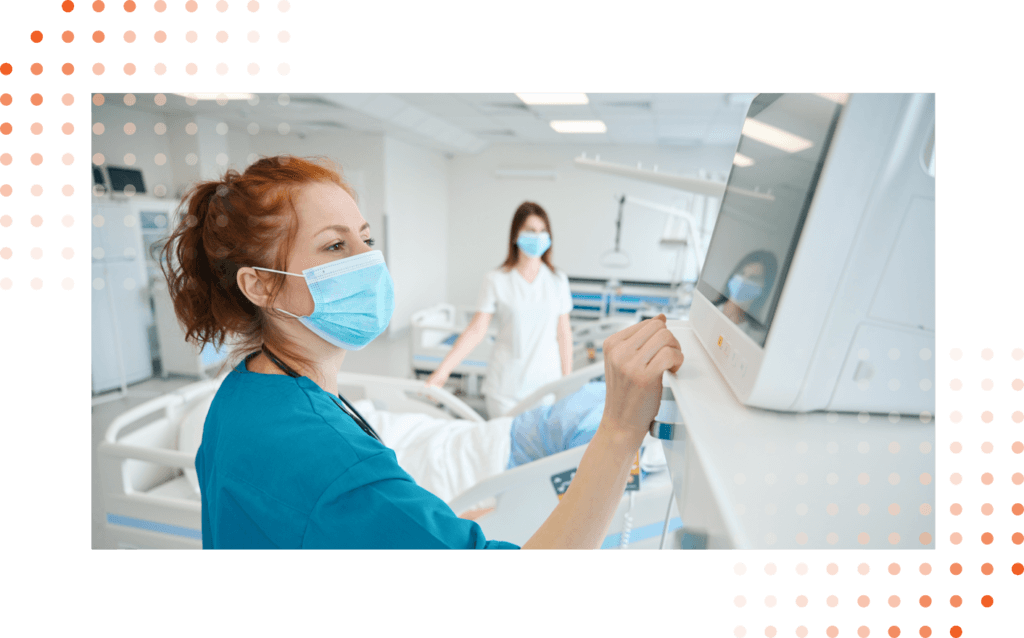
Healthcare infrastructure, medical software, and medical devices are targets for threat actors. Product development frameworks must include security by design to safeguard patients.
Healthcare infrastructure, medical software, and medical devices are targets for threat actors. Product development frameworks must include security by design to safeguard patients.

Healthcare technology saves lives, but without a secure development framework, patient safety and trust are at risk.

Post-October 2023, FDA demands more stringent cybersecurity scrutiny in medical device premarket submissions.

Product security teams are stretched thin, which can lead to marketed medical devices being vulnerable to cybersecurity threats.



SD Elements helps healthcare organizations and medical device developers build security into every stage of the software development lifecycle. By delivering actionable, standards-aligned security requirements directly into developer workflows, our platform simplifies compliance with HIPAA, FDA, and global cybersecurity regulations while reducing vulnerabilities and protecting patient safety.
Additional Benefits
Ensuring Compliance with HIPAA through Automated Security Requirements
SD Elements plays a critical role in helping healthcare organizations ensure compliance with the Health Insurance Portability and Accountability Act (HIPAA). HIPAA sets strict standards for the protection of patient health information (PHI), requiring organizations to implement comprehensive administrative, physical, and technical safeguards.
SD Elements helps organizations streamline the process of integrating MDS2-2013 compliance into their product development. The platform generates security requirements that align with the disclosure obligations of MDS2-2013, ensuring that all necessary security controls are considered and implemented during development.
SD Healthcare cybersecurity involves protecting sensitive patient data, medical devices, and critical healthcare systems from cyber threats. With the increasing use of connected medical devices and digital health records, securing these assets has become vital. Key regulations like HIPAA in the U.S. and GDPR in the EU mandate strict data protection measures.
Healthcare cybersecurity focuses on protecting patient data, medical devices, and healthcare systems from cyber threats. It includes securing electronic health records (EHRs), connected devices, and hospital infrastructure.
Healthcare organizations handle sensitive patient data and operate critical systems. Cyberattacks can disrupt care, compromise patient safety, and lead to regulatory penalties, making strong cybersecurity essential.
Key regulations include HIPAA, GDPR, and FDA cybersecurity guidelines for medical devices. These frameworks require organizations to protect patient data and implement secure development and operational practices.
HIPAA (Health Insurance Portability and Accountability Act) requires healthcare organizations to implement administrative, physical, and technical safeguards to protect patient health information (PHI).
Common threats include ransomware attacks, data breaches, phishing, and vulnerabilities in medical devices and connected systems. These risks can impact both patient safety and data privacy.
Medical devices are secured by implementing secure development practices, performing threat modeling, applying regular updates, and following FDA cybersecurity guidance throughout the product lifecycle.
SD Elements helps healthcare organizations translate regulations like HIPAA into actionable security requirements, ensuring applications and devices are built securely and remain compliant.
Yes. SD Elements supports secure development for medical devices by embedding security requirements into workflows and aligning with standards like FDA guidance and IEC 62304.
SD Elements provides traceability between security requirements, implementation, and validation, enabling organizations to produce audit-ready evidence for compliance reviews.
Introduce a Secure Product Development Framework (SPDF) to develop your medical device with security by design to meet new cybersecurity requirements from the FDA and other regulatory agencies.


